.png)
Gunmen Are Not Heroes: Northern Ireland's Troubles and the Cost of Romanticising Violence


If you ask people about Northern Ireland, they often think of its violent past during the “Troubles,” a conflict that lasted from the late 1960s to 1998. Thousands were killed or injured, and tensions continue to persist over murals, flags, and remembrance. Debates continue about who was “right” or “wrong” during the conflict. Unfortunately, this has led some to celebrate violence from the past, which can distort history, disrespect victims, and hinder efforts to create a shared future. While remembering the past is important, presenting paramilitary activity in a celebratory way may not contribute constructively to contemporary discussions about its legacy. It is also important to remember that many people sought peace and worked toward reconciliation during this difficult time.
Understanding the reality of the conflict matters. Over 3,500 people were killed, and many more were injured. Victims included Protestants, Catholics, unionists, nationalists, security forces, and civilians. Many families still live with grief and trauma. While debates often focus on who was right or wrong, they sometimes ignore widows, widowers, orphaned children, bombing and shooting survivors, and the lasting psychological pain endured by many. Violence must be viewed through its aftermath, not just political symbolism. Before deciding who should be remembered, we must acknowledge the suffering the conflict caused. It is also crucial to remember that this suffering affects entire communities, shaping generations and the future.
Debates about the Troubles often overlook a well‑documented structural distinction: paramilitary organisations — including the Provisional IRA (Irish Republican Army), INLA (Irish National Liberation Army), UVF (Ulster Volunteer Force) and UDA (Ulster Defence Association) — engaged in systematic campaigns of violence, coercion, and intimidation, as evidenced by official conflict data showing that paramilitary groups were responsible for the majority of killings during the conflict (CAIN). Post‑Agreement, dissident republican groups have continued to mount targeted attacks, with the UK’s Independent Reporting Commission (IRC) noting that between 15 and 40 terrorist incidents per year have been directed primarily at police officers (IRC 6th Report). Loyalist paramilitaries likewise remain involved in organised crime and “paramilitary-style assaults,” a pattern confirmed by the Northern Ireland Life and Times (NILT) Survey, where 18% of respondents reported fear and intimidation from paramilitary groups in their area (NILT 2023). In contrast, police, prison officers, and military personnel operated within statutory frameworks — however contested — and were frequently targeted because of their professional roles, with security force members accounting for a substantial proportion of those killed by paramilitaries (Sutton Index of Deaths (CAIN: Sutton Index of Deaths). High‑profile examples include the 2009 Massereene Barracks attack on off‑duty soldiers (BBC) and decades of targeted killings of prison officers by republican groups (Irish Times). While policing during the Troubles involved controversies and acknowledged failures — documented in inquiries such as the Patten Report (Independent Commission on Policing) — the structural difference remains clear: paramilitary organisations were illegal actors whose strategies centred on intentional harm, while state security personnel operated under legal authority and were themselves primary targets of paramilitary violence.
While criticising state actions is fair and wrongdoing by individuals or institutions should be addressed, it does not mean that lawful public service is the same as terrorist activity. It also does not justify killing RUC (Royal Ulster Constabulary) officers for doing their job or murdering British soldiers serving in Northern Ireland. Recognising the sacrifices of those who served does not negate the conflict's complexities. It is about drawing a moral distinction between public service and organised violence. Remember that the distinction lies in intention and adherence to the law, which separates protectors from aggressors, even in difficult times.
While those involved in the conflict might want to glorify past violence, doing so can be harmful. Murals, public events, or social media narratives can romanticise armed groups and distort history. Violence may be praised as noble, while the suffering of its victims is overlooked. This glorification can rewrite history and ignore the suffering caused. Most importantly, it could wrongly suggest that violence is an acceptable way to reach political goals. Democratic methods should never be equated with violence, threats, or intimidation. Understanding why people join paramilitary groups is not the same as praising their actions. Recognising these differences helps promote peaceful solutions and avoid justifying harmful behaviours.
Many young people today, including myself, do not remember the Troubles firsthand. They mainly learn about it from family, school, media, and community narratives. These narratives can be biased and keep divisions alive. Society should ask what lessons young people are learning from the glorification of violence. Are they learning about victims and reconciliation, or just inheriting old bitterness? Showing gunmen as heroes can send the message that violence is an acceptable way to make political change. It is important to address how these narratives influence their understanding of history and peace.
Beyond The Past
In 2026, society in Northern Ireland should focus on remembering victims and honouring lawful service, rather than glorifying violence. Young people need education about the conflict that considers different experiences and aims for reconciliation and democracy. Northern Ireland’s future should be based on lessons of peace, not myths of conflict. Promoting understanding and respect among all communities is essential to building a more unified and peaceful society. Recognising the past without glorifying violence can help create a better future for everyone.
The Troubles caused great suffering, but romanticising violence benefits no one. We cannot equate illegal paramilitary groups with those who served lawfully in security forces. Honest remembrance of our history is vital for reconciliation. Future generations should learn about peace, not the allure of violence. By honestly remembering the Troubles, honouring victims, acknowledging lawful service, and rejecting the glorification of violence, Northern Ireland can build a society based on peace instead of conflict. Recognising the pain endured by many is essential, and promoting understanding can help prevent further divisions.
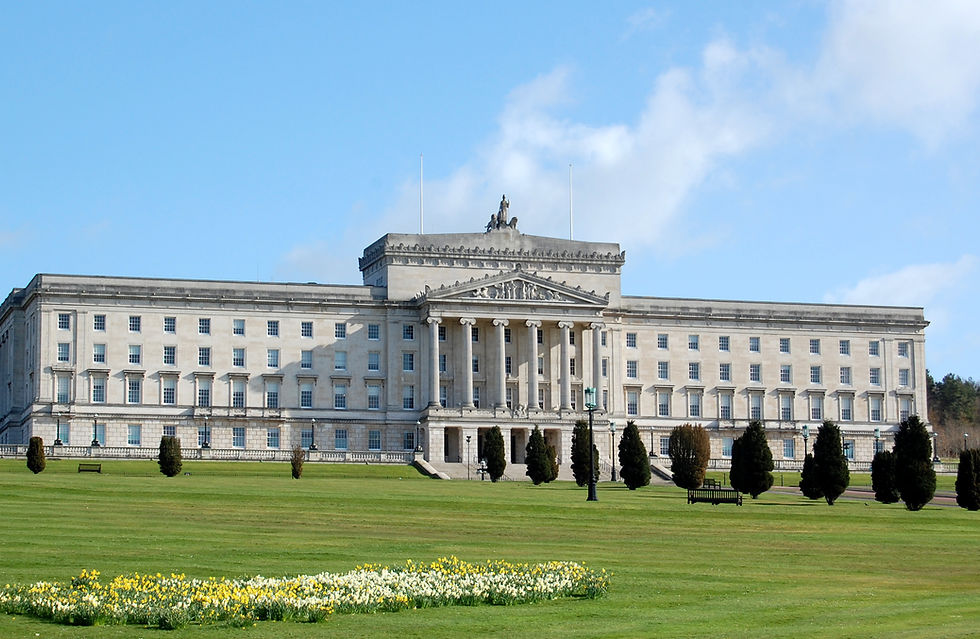
Image: Wikimedia Commons/markhillary
No image changes made.


Comments